
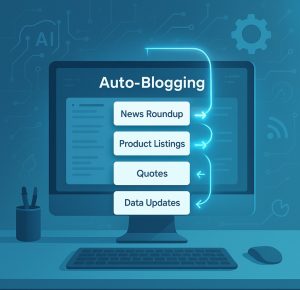
 Researching, writing, formatting, and promoting every blog post takes time. Auto-blogging helps lighten that load by using automation tools or AI systems to gather, rewrite, or generate content. An AI content generator for WordPress, for example, can streamline the process and keep your blog active with minimal effort. But not every kind of content fits this model. Some formats depend on human experience or insight, while others work great with automation.
If you want to build a hands-off blog that still adds value for readers, here are seven types of content that work exceptionally well for auto-blogging.
1. News Roundups
News roundups are one of the easiest and most effective forms of automated content. They collect the latest stories and updates from multiple trusted sources and summarize them into a single post. Automation tools can pull headlines, short descriptions, and links from RSS feeds or APIs, then format them neatly into a blog entry.
For example, a “Tech Tuesday” roundup might include snippets from several tech publications covering AI, gadgets, and cybersecurity. Readers get a quick, curated view of what’s happening without having to visit multiple sites.
Tip: Add a short human-written intro or conclusion to give your roundup context or highlight the week’s biggest trend. That little bit of personalization makes it feel less robotic.
2. Product or App Listings
Auto-blogging works beautifully for directory-style content such as “Top Free Design Tools,” “Best Productivity Apps,” or “Latest Gadgets Under $50.” These posts can be automatically updated as new items are released or old ones change.
Automation tools can pull product details names, prices, descriptions, and ratings from public APIs or affiliate databases, such as Amazon or Rakuten. You can even have them sort products by category, popularity, or price.
Bonus: Because product posts often include affiliate links, they’re a smart choice for monetization. As long as the listings stay current and accurate, you can generate passive income while the system does the heavy lifting.
3. Quote or Inspiration Posts
Motivational quotes, business advice, or daily affirmations are perfect for automation. You can pull quotes from a predefined database or a reputable quote API and schedule daily or weekly posts automatically. These types of posts perform well on social media and drive regular traffic to your site.
For instance, a blog focused on personal growth could auto-publish a “Quote of the Day” every morning. The setup is simple, and it provides readers with fresh, shareable content.
Tip: Pair each quote with a relevant image or background graphic. Automation tools can easily generate visuals using APIs from design platforms or AI image tools, giving your posts more visual appeal.
4. Curated Resource Lists
Curation-based content is ideal for auto-blogging because it relies on finding and organizing information rather than producing original insight. You can automate the process of gathering articles, tools, or tutorials on a specific topic, then have the system compile them into list-style posts.
For example, if your site covers marketing, you could auto-generate posts such as “10 New SEO Guides You Should Read This Month.” The content can be pulled directly from selected RSS feeds, subreddits, or newsletters. Readers get valuable, updated resources, and you don’t have to search for them manually.
Keep in mind: Curation works best when it’s selective. Choose trusted sources, and add a sentence or two of commentary to explain why each resource is worth checking out.
5. Data-Based Posts and Stats
Data-driven content such as rankings, charts, or statistics is another strong fit for automation. Many data sources, such as government databases, cryptocurrency trackers, and weather services, regularly update their numbers. Auto-blogging tools can pull this live data and turn it into formatted posts or visual charts.
For instance, a finance blog could automatically post daily updates on stock trends, exchange rates, or commodity prices. A sports blog could share league standings or player stats without manual input. Because the content is factual and constantly changing, readers return for fresh updates.
Tip: Use structured templates to keep posts consistent. Include date stamps and sources to build trust and transparency.
6. Social Media Highlights
Social media moves fast, and summarizing trending content can be automated. You can set up your system to gather top posts or hashtags from platforms like X (Twitter), Reddit, or TikTok. Then it can auto-generate a summary post highlighting what’s trending in your niche. This type of content is dynamic, engaging, and provides immediate value.
Note: Avoid auto-posting copyrighted content such as screenshots or videos. Instead, summarize and link to the sources. That keeps your content compliant and ethical.
7. FAQ and How-To Content
If your site answers common questions, automation can help keep it growing. For example, a travel site could publish automated posts like “How to Find Cheap Flights to Tokyo” or “Best Time to Visit Iceland.”
The key is to provide short, clear, accurate answers that are regularly updated. Many FAQ tools can pull structured data from forums, search results, or public APIs to keep answers up to date.
Pro tip: Combine automation with light editing. Add examples or suggestions to make each answer sound more natural and human.
Making Auto-Blogging Work Long-Term
Auto-blogging isn’t about replacing humans; it’s about saving time and scaling smartly. The most successful auto-blogs blend automation with occasional human oversight. You might automate data collection and formatting, then review or tweak the final post before it goes live.
It’s also important to choose content types that can be verified easily. News, stats, and quotes are great because they rely on external, factual sources. But subjective content, such as opinions, personal stories, or reviews, should always have a human touch.
Lastly, always credit your sources. Even automated blogs can — and should — cite their sources. This builds trust and protects you from copyright issues.
Final Thoughts
Auto-blogging isn’t a shortcut to success, but it can be a practical way to achieve consistent publishing. Focus on content types that can be automated responsibly, like news summaries, product listings, quotes, and data updates. Over time, these can help you build a steady flow of traffic with minimal effort.
The key is balance: automation for efficiency, human input for quality. Get that right, and your blog can run smoothly, stay fresh, and grow without burning you out.