
Competitive online games have developed extensive ecosystems of third-party services. These include professional coaching, account-based rank progression, and collaborative ranked gameplay. While these services may share similar goals, their technical structures differ. Those differences can affect player security, privacy, matchmaking fairness, and compliance with game policies.
Rainbow Six Siege provides a useful example of these arrangements. Third-party platforms offering services such as Buy Boosting R6 present rank-related options that involve different forms of player participation. Some arrangements involve another person accessing an account, while others allow players to compete together. Understanding how each system operates helps explain its technical and competitive risks.
How Do Account-Based Gaming Services Operate?
Account-based progression typically allows another player to access an existing gaming account and complete ranked matches. The original account holder may provide login credentials or other authentication information. The service provider then plays matches using that account rather than their own.
This arrangement creates several technical concerns. Modern gaming platforms use authentication systems to identify users and protect account access. Unfamiliar devices, network locations, and login attempts may trigger additional security checks.
Why Account Authentication Matters
The Cybersecurity and Infrastructure Security Agency (CISA) recommends multifactor authentication as an important defense against unauthorized account access. However, sharing passwords or verification codes can weaken these protections.
Account-based arrangements may expose users to several risks:
- Credential theft if login information reaches an untrusted person.
- Unauthorized changes to account settings or recovery information.
- Exposure of personal details, purchase history, or linked services.
- Security alerts caused by access from unfamiliar devices.
- Account restrictions following violations of platform policies.
Ubisoft advises players against sharing account credentials. Its account security guidance also recommends two-step verification. Even when third-party access is temporary, users remain responsible for protecting their accounts.
What Changes When Players Use Duo Queue Systems?
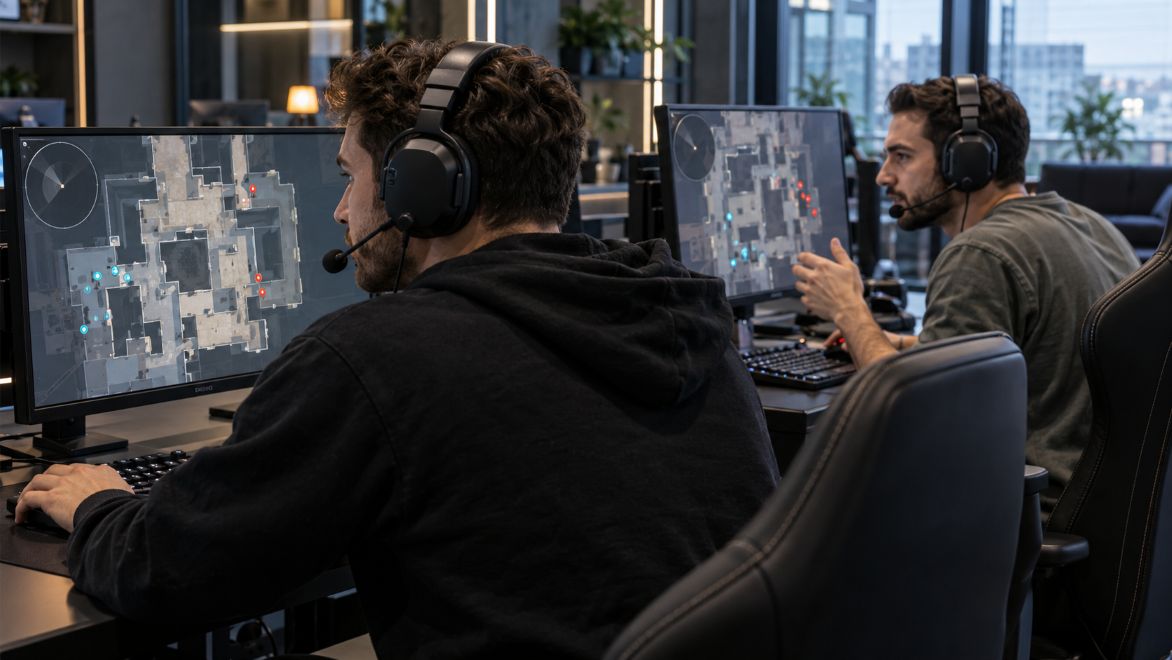
Duo queue arrangements follow a different technical model. Two players participate in matches together while controlling their own accounts. They coordinate through the game’s party system and communication tools rather than transferring login credentials.
This approach depends heavily on real-time communication. Players exchange information about opponent locations, defensive positions, movement, and tactical decisions. Effective coordination can improve teamwork during competitive matches.
Communication and Matchmaking Compatibility
Rainbow Six Siege relies on team coordination, making communication an important part of its competitive environment. Voice chat, positioning information, and shared tactical planning help teammates respond to changing situations.
Matchmaking systems must also evaluate eligible players and group composition. Differences in skill levels, rankings, platforms, and playlist requirements may affect whether two participants can queue together.
Unlike account-based progression, ordinary duo queue participation does not require password sharing. Each player maintains control over their own authentication details. However, the absence of credential transfers does not automatically establish that a paid arrangement complies with platform rules.
Account Security vs. Competitive Fairness: Which Matters More?
The distinction becomes clearer when examining technical security alongside competitive integrity. These concerns overlap, but they measure different risks.
Account Exposure and Privacy
Account-based services introduce direct credential exposure when another person receives login information. Duo queue participation generally avoids this requirement. Consequently, standard collaborative gameplay presents fewer risks related to password disclosure.
However, both arrangements may involve third-party websites collecting payment details, gaming identifiers, or contact information. Players should examine privacy policies and payment security before sharing personal data. Understanding identity verification and payment holds in gaming marketplaces can help users evaluate how platforms manage transaction risks, verify participants, and handle payment disputes. These safeguards may reduce financial risks, but they do not guarantee account security or compliance with game policies.
Rankings and Matchmaking Balance
Competitive fairness introduces another consideration. Account-based progression can produce rankings that do not accurately represent the account owner’s individual performance. This may affect later matches when the original player returns.
Paid duo queue arrangements can also influence matchmaking outcomes. A highly skilled partner may create an advantage that ordinary matchmaking does not fully account for, particularly when players deliberately manipulate ranking conditions.
Ubisoft’s Player Protection Core Rules identify artificial rank inflation, account sharing, and certain boosting arrangements as prohibited behavior. Therefore, avoiding shared credentials reduces one security risk without eliminating possible competitive-integrity violations.
Where Do Third-Party Rank Services Fit?
Third-party Rainbow Six Siege services illustrate how commercial offerings can combine different participation models. The referenced service lists account-related rank progression and an option allowing an assigned player to participate alongside the customer.
From a technical perspective, these arrangements differ in who controls the account during gameplay. Account-based progression involves delegated access, while collaborative participation allows separate account ownership.
Neither arrangement should be treated as automatically approved by the game developer. Players must distinguish between a service’s advertised features and the activities permitted under official rules.
Why Platform Policies Still Matter
Game developers maintain policies to protect competitive environments and limit unfair advantages. These rules address activities that technical security measures alone cannot prevent.
Ubisoft’s Terms of Use prohibit practices including rank manipulation, account lending, and organized win trading. Its player protection initiatives also target boosting, smurfing, and unauthorized account access.
Meanwhile, legitimate coaching and ordinary cooperative play offer different ways to develop gaming skills. Their acceptability depends on how they operate and whether they follow applicable platform requirements.
How Technology Supports Fair Competitive Play
Authentication systems, anti-cheat technology, and matchmaking policies work together to protect competitive gaming. Each addresses a different problem.
Authentication limits unauthorized access. Matchmaking attempts to create suitable competitive conditions. Anti-cheat systems detect prohibited tools and suspicious behavior.
Ubisoft has continued developing its R6 ShieldGuard protections and stronger authentication requirements for competitive play. These measures reflect growing attention to account security and competitive integrity.
Ultimately, account-based services and duo queue systems involve different exposure levels. Avoiding credential sharing can reduce cybersecurity risks, but paid collaborative arrangements may still violate platform rules or distort matchmaking balance. Secure and fair competition depends on responsible player behavior, effective authentication, transparent policies, and consistent enforcement.