
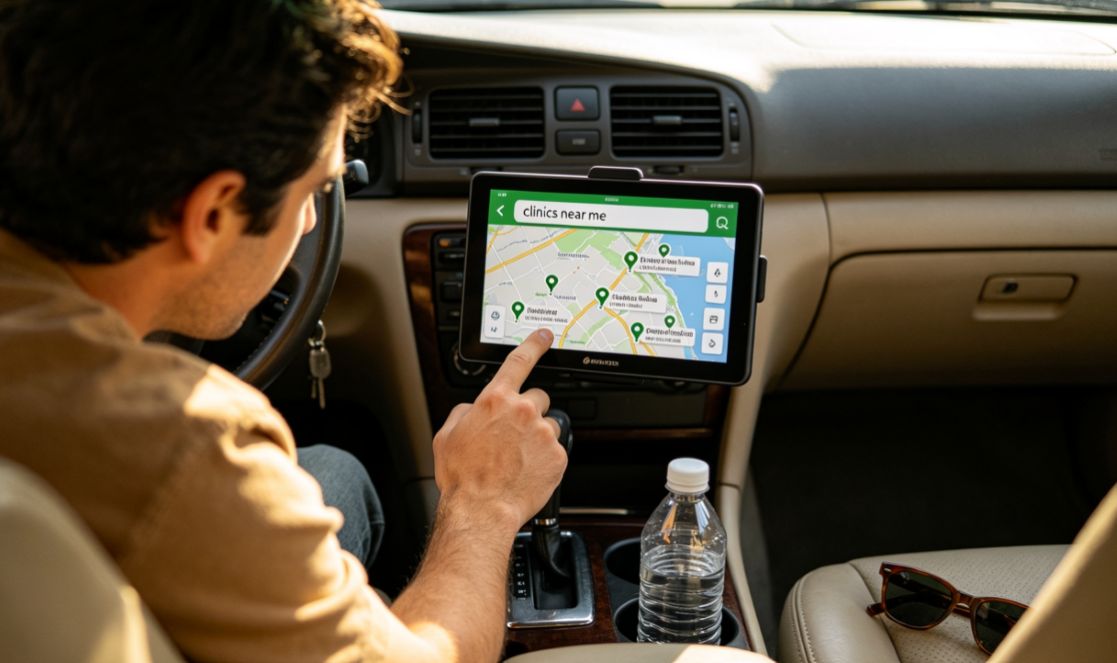
Location awareness has become a central part of how people find nearby healthcare providers. Research from Google shows that searches containing phrases such as “near me” have grown significantly over the past several years, reflecting the increasing reliance on smartphones, GPS, and digital maps when choosing local services. Patients today often expect search results to show nearby clinics, office hours, reviews, directions, and contact information within seconds.
As healthcare organizations adapt to these changing search habits, many also explore strategies related to local SEO for cash-pay practices to improve visibility among nearby patients. This approach fits into a much broader shift driven by location-aware technologies, digital mapping platforms, and mobile search tools that help people discover healthcare businesses based on convenience, relevance, and proximity.
How Location Awareness Changed Local Discovery
Finding a healthcare provider once depended largely on printed directories, physician referrals, or recommendations from friends and family. While personal referrals remain valuable, digital technology has fundamentally changed how patients begin their search.
Modern smartphones combine GPS, Wi-Fi positioning, Bluetooth signals, and mobile networks to determine a user’s location with remarkable accuracy. Reports from GSMA explain that these technologies enable location-based services that support navigation, emergency response, transportation, retail, and healthcare applications.
As internet-connected devices became more sophisticated, search engines started incorporating geographic context into search results. Someone searching for “physical therapy,” “dentist,” or “urgent care” is now likely to receive different results depending on their location, even when using identical search terms.
This shift has made geographical relevance an important part of digital visibility. Instead of competing solely for broad national searches, healthcare organizations increasingly focus on helping nearby residents discover their services.
Changing Search Behavior Among Patients
Consumer behavior has evolved alongside improvements in mobile technology. Many patients now search for healthcare providers while traveling, commuting, or immediately after receiving a recommendation.
Think with Google has reported that mobile users frequently make decisions based on immediate needs, describing these moments as “I-want-to-go” searches. These searches often include local intent, meaning users expect search engines to identify nearby businesses without requiring detailed location information.
Research published by the Pew Research Center also shows that smartphones play a central role in accessing online information across many aspects of daily life, including health-related research and local business discovery.
Patients increasingly evaluate multiple factors before contacting a clinic. Typical considerations include:
- Distance from home or work
- Business hours
- Online reviews
- Appointment availability
- Driving directions
- Accessibility information
- Photos of the facility
Location technologies help organize all of this information into a single search experience, reducing the effort required to compare nearby providers.
The Growing Importance of Mapping Platforms and Business Listings
Digital maps have evolved far beyond simple navigation tools. They now function as business discovery platforms that connect users with nearby services.
Google Maps, Apple Maps, and Microsoft Bing Maps each maintain extensive business databases that display addresses, phone numbers, websites, operating hours, reviews, photos, and frequently asked questions.
Healthcare organizations benefit when this information remains accurate and consistent across platforms. Studies from BrightLocal indicate that consumers place considerable trust in online business listings and reviews when selecting local services.
Maintaining accurate listings helps reduce patient frustration. Incorrect addresses, outdated phone numbers, or inconsistent operating hours may discourage potential patients before they ever contact a practice.
Healthcare providers also benefit from structured business information that search engines can easily understand. Consistent naming conventions, complete profiles, and verified locations improve the quality of information presented to users.
Why Geographic Relevance Matters for Independent Healthcare Practices
Many healthcare providers primarily serve patients within a relatively small geographic area. Family medicine clinics, physical therapy centers, chiropractic offices, dental practices, dermatology clinics, and wellness providers often depend on nearby communities rather than nationwide audiences.
Because of this, visibility within a specific city or neighborhood often carries greater practical value than broad online exposure.
Google Business Profile allows healthcare organizations to manage essential business information, publish updates, respond to reviews, and communicate directly with prospective patients. Experts note that complete business profiles help search engines better understand local relevance while improving the information available to consumers.
Healthcare organizations that maintain accurate digital information also make it easier for navigation systems, voice assistants, and mapping applications to guide patients to the correct location.
How Location Technologies Support Local Healthcare Marketing
Location-based technologies influence much more than search rankings. They shape how healthcare providers communicate with local audiences throughout the patient journey.
Modern digital tools allow organizations to better understand where website visitors originate, which geographic areas generate appointment requests, and which neighborhoods respond most actively to educational content.
Google Analytics provides geographic reporting that helps organizations evaluate visitor locations, while Google Search Console offers insights into search performance across various queries. Combined with business profile analytics, these tools provide a clearer picture of local visibility.
Healthcare organizations may use these insights to improve educational content, update location-specific information, refine service pages, or ensure patients can easily find accurate directions. Understanding how SEO technology works can also provide useful context for why accurate business information, relevant local content, and consistent online signals influence search visibility for nearby patients.
This data-driven approach focuses on improving the overall user experience rather than simply increasing website traffic.
Emerging Technologies Expanding Local Discovery
Location-awareness technology continues to evolve beyond traditional GPS navigation.
Artificial intelligence increasingly personalizes local search results by considering user preferences, search history, context, and previous interactions. Voice search has also become more common through assistants such as Google Assistant, Apple Siri, and Amazon Alexa.
Research published by the World Wide Web Consortium (W3C) continues to guide standards for geolocation technologies that enable web applications to access location data responsibly while protecting user privacy.
Indoor navigation is another growing area. Hospitals and large medical centers increasingly deploy digital wayfinding systems that help patients locate departments, elevators, diagnostic centers, and specialty clinics using smartphones.
Wearable devices, connected vehicles, and smart city infrastructure may eventually create even more personalized local search experiences as technology advances.
Privacy and Responsible Use of Location Data
Although location-based technologies provide significant convenience, they also raise important privacy considerations.
The Federal Trade Commission emphasizes that organizations collecting location information should communicate clearly about data collection practices, obtain appropriate consent where required, and implement safeguards to protect personal information.
Healthcare organizations face additional responsibilities because patient information may be subject to healthcare privacy regulations depending on jurisdiction. Responsible handling of location data helps maintain public trust while supporting safe digital experiences.
Patients increasingly value transparency regarding how their information is collected, stored, and used. Organizations that prioritize privacy alongside usability are more likely to build lasting confidence among their communities.
Looking Ahead
Location-based technologies have transformed how patients discover healthcare providers, compare nearby options, and navigate to medical appointments. GPS-enabled devices, digital maps, search engines, voice assistants, and business listings now work together to connect people with relevant healthcare services based on geographic context.
As geolocation technology continues to improve, healthcare organizations will likely place even greater emphasis on accurate business information, neighborhood relevance, mobile accessibility, and patient-friendly digital experiences. The future of local healthcare visibility will depend less on simply appearing online and more on providing trustworthy, accurate, and location-specific information wherever patients begin their search.